
Key Trends in Auto Body Shops and Collision Services
The auto body repair and collision services industry has undergone significant transformations in recent years, driven by technological advancements, shifting consumer expectations, and evolving environmental standards. From cutting-edge digital tools to greener repair methods, auto body shops are adapting at a remarkable pace to stay competitive and meet the demands of today's drivers. Understanding these key trends is essential for businesses aiming to thrive in this dynamic market.
Embrace Advanced Technologies in Repair
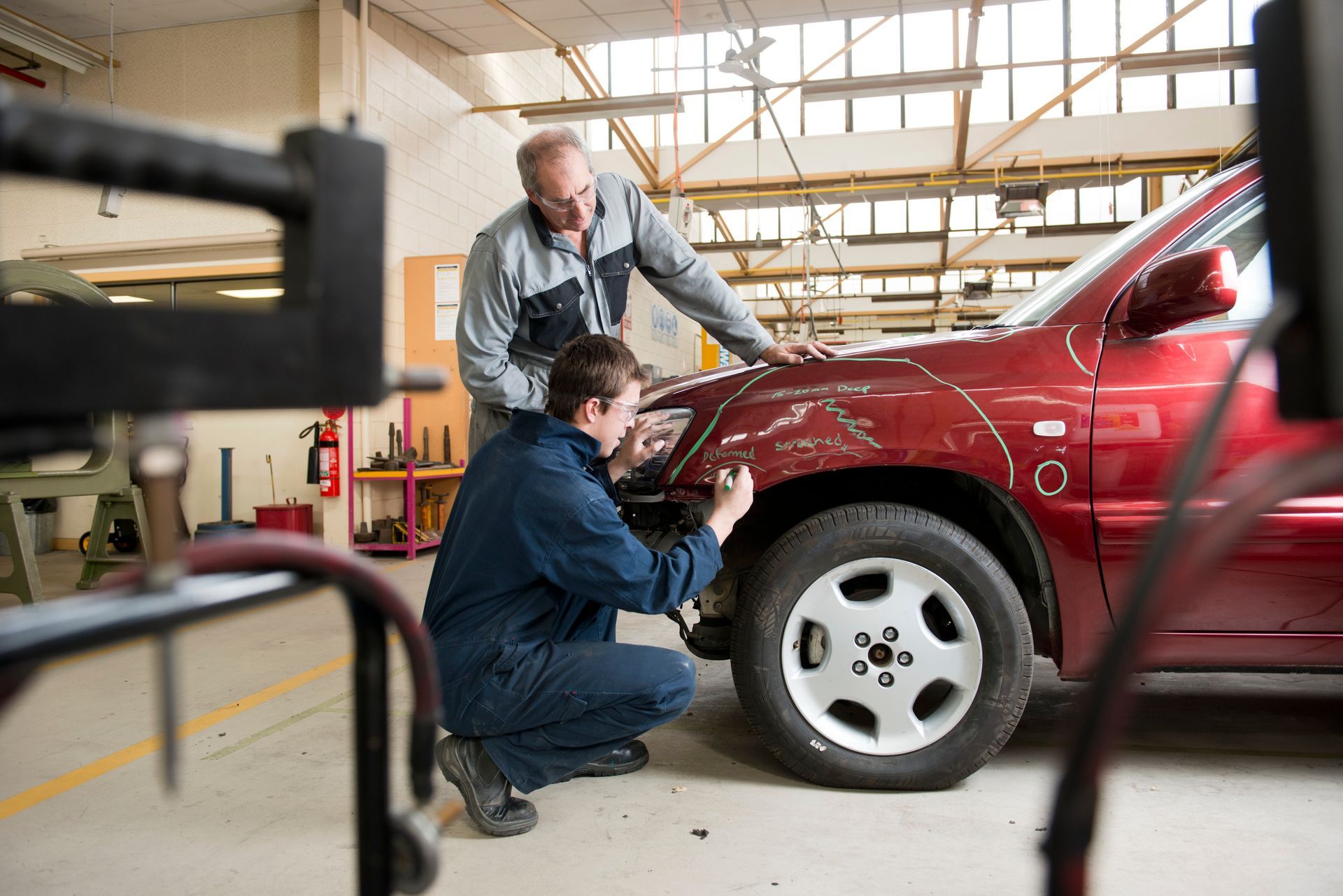
Auto body shops are increasingly turning to digital estimation tools to improve how damage assessments are conducted. By using specialized software, technicians can deliver faster, more accurate estimates while giving clients a clearer picture of the repair process. These platforms also integrate with supply chain systems, enabling real-time visibility into parts availability and reducing the time vehicles spend in the shop. Insurance companies have taken notice as well, leveraging these same platforms to simplify claims processing and speed up approvals. The result is a more efficient, transparent service experience that meets rising customer expectations.
3D printing is another technology reshaping parts production in the collision repair space. Rather than waiting on traditional suppliers, shops can now produce components on demand, which is especially valuable for obsolete or custom parts. This flexibility allows repair facilities to better accommodate individual client needs while keeping operations running smoothly. Meanwhile, virtual reality (VR) is transforming how technicians are trained, offering immersive, risk-free environments to practice complex repairs and customer interactions alike. VR training is particularly valuable for sophisticated systems that require precise handling, ensuring technicians are consistently prepared for real-world scenarios.
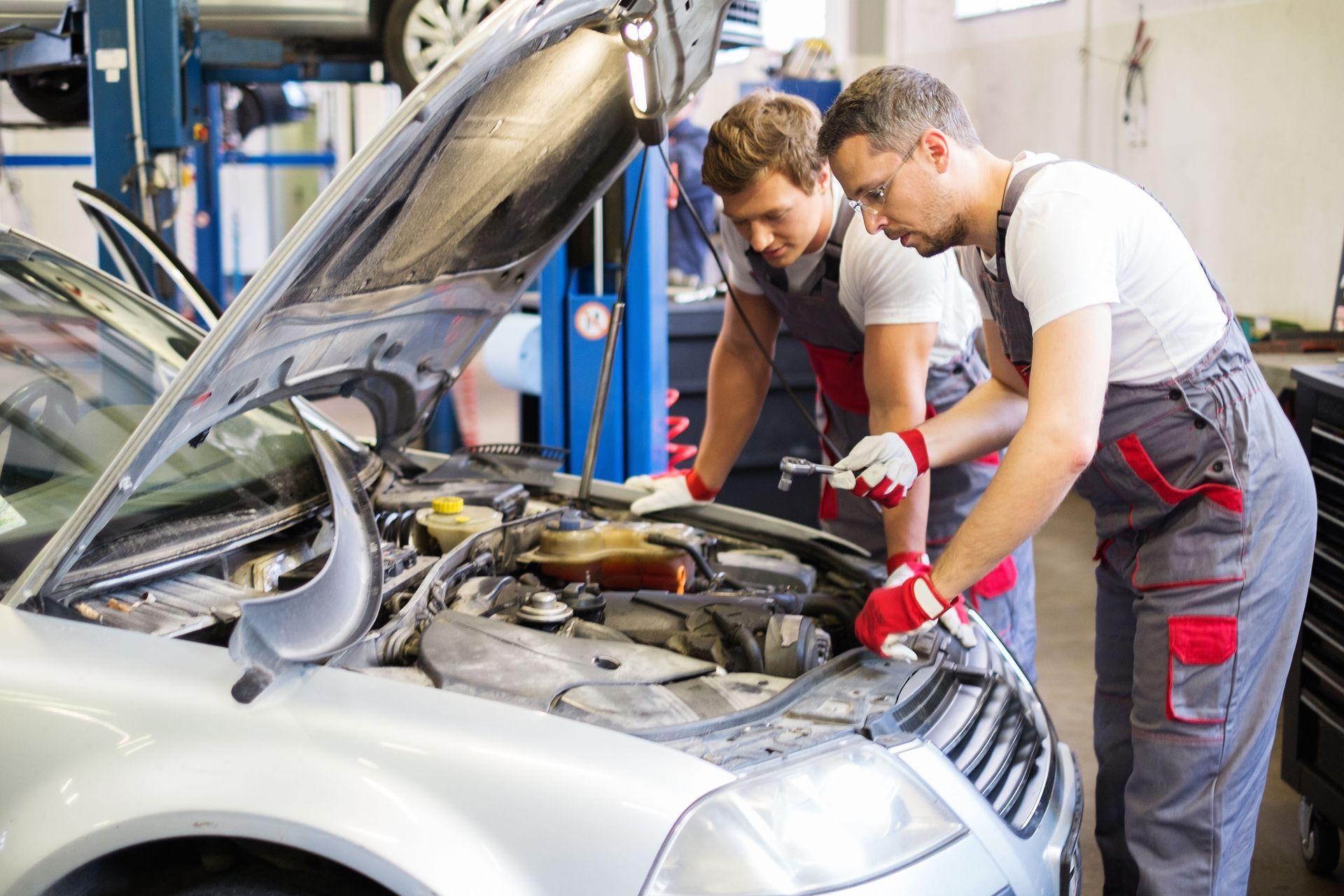
Advanced Driver-Assistance Systems (ADAS) have also become a central focus for modern body shops. Features like lane departure warnings and adaptive cruise control depend on exact sensor and camera alignment — any miscalibration after a collision can create serious safety risks. Shops are investing in specialized equipment and training to provide accurate ADAS calibration as a standard service offering. Artificial intelligence is further streamlining operations by automating scheduling, invoicing, inventory management, and even damage diagnostics. Together, these technologies position forward-thinking repair facilities as leaders in both safety and service quality.
Adopt Environmentally Friendly Repair Practices
Environmental responsibility has become a defining priority for auto body shops across the industry. Waterborne, eco-friendly paints are replacing traditional solvent-based formulas that release harmful volatile organic compounds into the atmosphere. These greener alternatives deliver faster drying times and excellent color-matching results, allowing shops to maintain high-quality finishes without sacrificing sustainability. According to SEMA, approximately 40% of collision repair clients opt for environmentally conscious repair methods, such as paintless dent repair, reflecting a clear and growing preference among today's vehicle owners. Shops that embrace these practices are well-positioned to meet evolving consumer demand and tightening regulatory standards.
Sustainable waste management has also become a cornerstone of eco-conscious shop operations. Many facilities now run dedicated recycling programs for scrap metal, plastic, glass, and hazardous materials such as paint solvents and vehicle fluids. These initiatives reduce landfill contributions and demonstrate genuine environmental stewardship to customers who increasingly factor sustainability into their service choices. Investing in energy-efficient equipment — including LED lighting, advanced compressors, and energy-smart spray booths — further reduces a shop's environmental footprint. Smart monitoring systems can track real-time energy usage, helping managers identify inefficiencies and make informed operational decisions.
Equally important is training staff to understand and support green practices. Comprehensive education programs cover everything from proper disposal methods to the application of sustainable materials, fostering a workplace culture that values environmental responsibility. Employees who are well-versed in green practices are also better equipped to explain the benefits of eco-friendly options to customers, strengthening client relationships in the process. Pursuing certifications — such as those offered through the EPA — further validates a shop's commitment to sustainability and helps establish credibility with both clients and regulatory bodies. Certification signals leadership in green innovation and keeps businesses prepared as environmental regulations continue to evolve.
Strengthen Repair Quality Through Industry Certifications
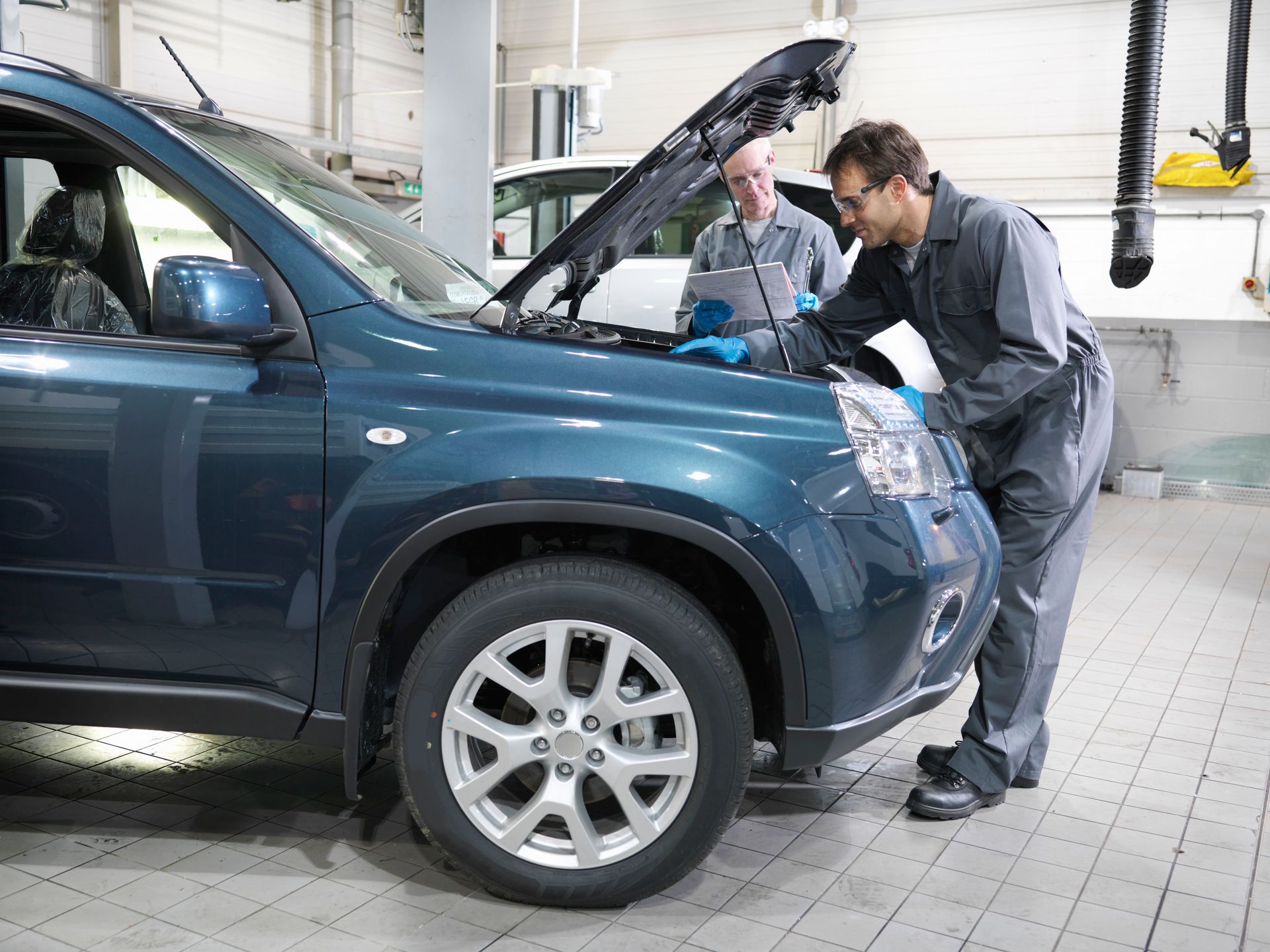
As vehicle technology grows more complex, industry certifications have become a meaningful benchmark for quality and competence in the collision repair field. Customers today are more informed than ever, and many actively seek out body shops that hold recognized credentials from organizations such as I-CAR or OEM manufacturer programs. These certifications signal that a facility has met rigorous training and equipment standards, giving clients greater confidence in the quality of repairs performed on their vehicles. For shops, earning and maintaining these credentials reflects a commitment to ongoing professional development that goes beyond minimum industry requirements.
OEM certification programs, in particular, are gaining traction as more vehicles incorporate advanced materials and proprietary repair procedures. Manufacturers such as Honda, Ford, and Tesla have established specific guidelines for how their vehicles should be repaired after a collision, and certified shops are trained to follow those protocols precisely. Working with these standards helps ensure that repairs preserve the vehicle's original structural integrity, safety performance, and warranty coverage. Auto body shops that invest in OEM certifications are better equipped to handle a wider range of modern vehicles, expanding their service capabilities and appeal.
Certification also plays a key role in building long-term relationships with both customers and insurance partners. Insurers are increasingly directing policyholders toward certified repair facilities, recognizing that adherence to established standards reduces the likelihood of secondary damage or improper repairs. For auto body shops, this visibility within insurance networks can translate into a stronger, more consistent client base. Ultimately, certifications serve as both a professional standard and a competitive differentiator — demonstrating that a shop is not simply keeping pace with the industry, but actively leading it.
Prioritize the Customer Experience
Today's customers expect more than quality repairs — they want transparency, communication, and convenience throughout the entire service process. Digital tracking systems have become an essential tool for body shops looking to meet these expectations. Real-time updates on repair milestones, from parts orders to completion, help clients feel informed and confident in the process. These systems also benefit internal operations by keeping technicians and managers aligned on repair status, reducing miscommunication, and improving workflow efficiency.
Beyond real-time updates, the data gathered from digital tracking platforms offers valuable long-term insights. Trends in repair timelines and customer behavior help shops refine their services and develop more personalized offerings. When clients feel seen and understood, loyalty follows. Auto body shops that invest in the full customer journey — from the first estimate to the final handoff — build lasting reputations that set them apart in a competitive market. The integration of technology into the customer experience is not just a convenience; it is quickly becoming an industry standard.
The auto body repair and collision services industry is evolving rapidly, shaped by technology adoption, environmental accountability, and a heightened focus on customer satisfaction. Auto body shops that embrace these trends — from ADAS calibration and AI-driven automation to eco-friendly materials and transparent digital communication — are the ones best positioned for long-term success. Staying current with these developments is no longer optional; it is essential for any shop committed to delivering safe, high-quality, and responsible service. If you are ready to experience a repair facility that leads with innovation and puts your needs first, contact us at Central Collision Repair today. We will help you get back on the road with confidence, knowing your vehicle is in expert hands.
Share On: