
How an Auto Body Shop Keeps Your Car Safe to Drive After an Accident
After an accident, ensuring your vehicle is restored to a safe and roadworthy condition is paramount. Auto body shops play a crucial role in this process by meticulously repairing and assessing various aspects of your vehicle. If you're unsure what steps to take after an accident, bringing your car to an auto body shop can help and keep your car safe to drive after an accident. By understanding these processes, car owners can be more informed and confident about the repair work done on their vehicles. Safety and functionality are at the forefront of every step taken by these professionals.
Performing an Initial Assessment and Inspection
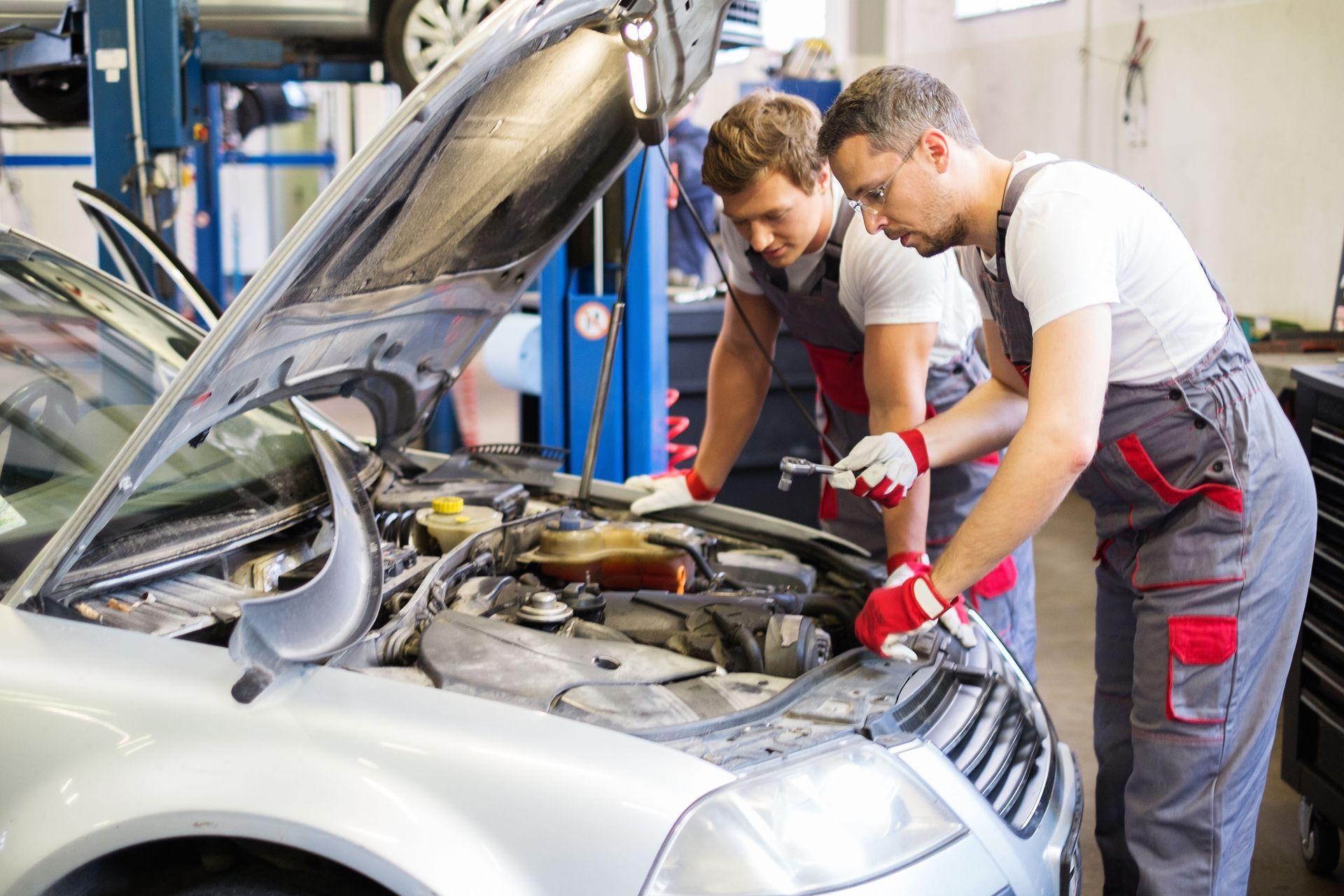
A thorough examination is the first step in determining the full extent of the vehicle's damage. Technicians assess both visible damage and potential hidden issues that might affect the car's performance. Every accident is unique, with some damages being apparent and others lurking beneath the surface. The use of trained eyes and advanced diagnostic tools ensures that no stone is left unturned. Accurate damage assessment is crucial for developing a comprehensive repair plan.
Even minor accidents can result in significant internal damage that isn't visible to untrained eyes. For instance, a simple bumper impact might misalign parts that affect the car's aerodynamics and fuel efficiency. Detecting such issues early can prevent future complications and additional repair costs. Consistent and accurate evaluation is paramount for effective repair processes. Thus, a meticulous approach during initial assessments sets the foundation for successful repairs.
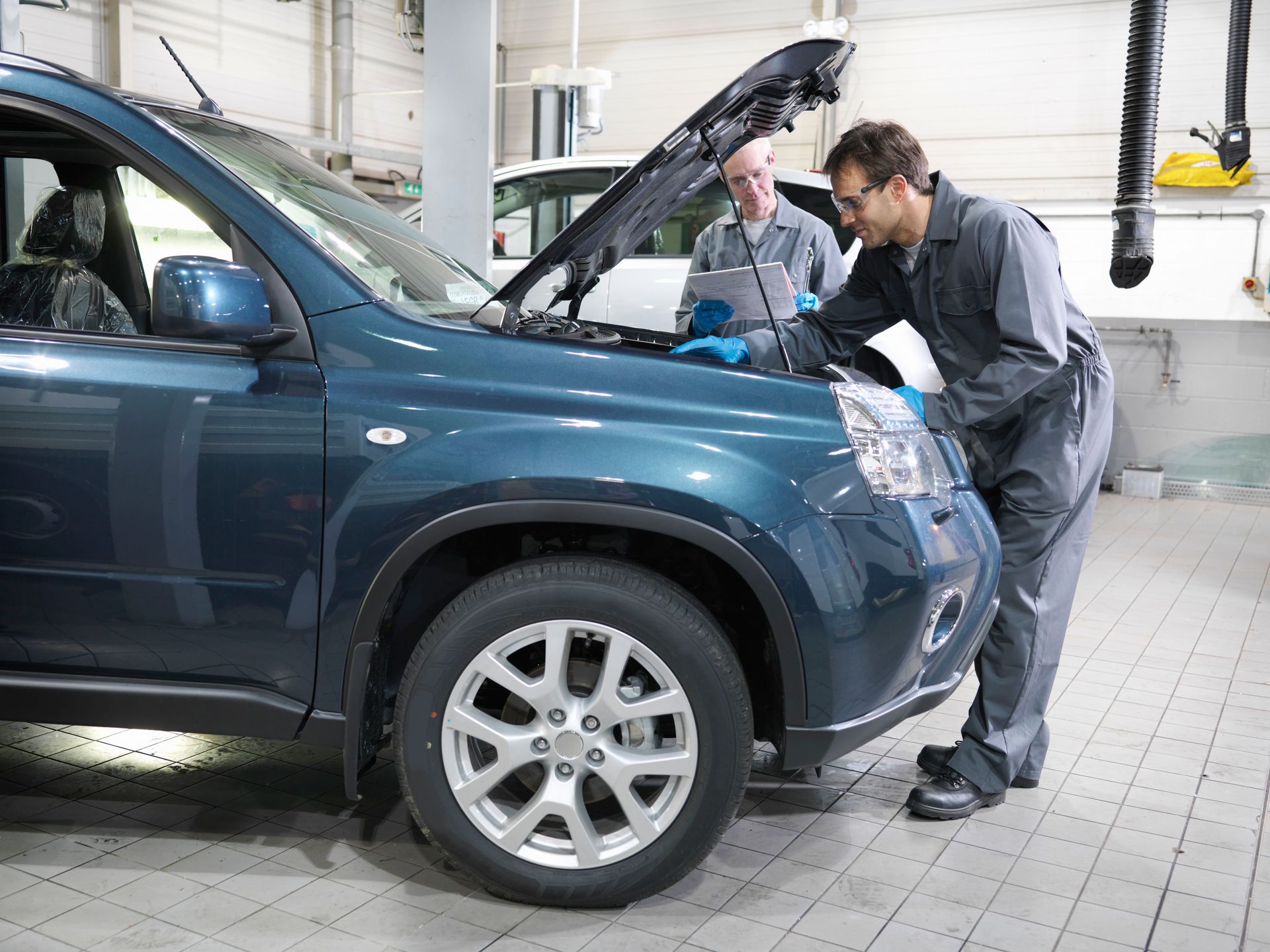
Auto body shops adhere to strict safety protocols to protect both the vehicle and technicians. These procedures include using protective gear, ensuring heavy machinery is safely operated, and employing standardized methods for repairs. Safety measures minimize risks during the repair process, guaranteeing a safe working environment. By adhering to industry guidelines, shops can efficiently handle even the most complex repairs. Safety protocols ensure transparency and reliability in the repair process.
One of the key aspects of safety in an auto body shop is proper training and certification of technicians. Trained professionals are equipped to handle the diverse challenges that arise during repairs, such as airbag module replacements and frame welds. Structural damage requires precision work that, if done improperly, can jeopardize a vehicle's integrity. Therefore, competence in executing repair tasks is crucial for maintaining both technician safety and vehicle safety standards. Some of the most common sources of accidents are speeding or distracted drivers, which make up roughly 19% and 32% of all drivers, respectively, according to Autobody News.
Determining Structural Repairs and Frame Alignment
After an accident, the vehicle's frame can bear the brunt of the impact, making its integrity critical for ensuring safety. A vehicle's frame is essentially its skeleton, supporting the entire structure and safeguarding occupants. If compromised, it can affect everything from alignment to overall stability. Ensuring the frame maintains its original shape is crucial to uphold the manufacturer's safety specifications. A damaged frame not only jeopardizes safety but also affects the vehicle's performance, making comprehensive frame checks a priority.
Even minor frame misalignments can have cascading effects, including excessive tire wear and poor handling. The need for precision is thus paramount in assessing and rectifying frame damage. Your local auto body shop uses precision equipment to check for bends, twists, or breaks in the frame. The right technique can restore the car's geometry to pre-accident conditions. Such meticulous attention ensures that vehicle safety is not compromised and that structural integrity is restored.
Repairing a damaged frame requires specialized skills and tools, emphasizing the need for professional intervention. As the vehicle's backbone, the frame acts as a reference point for all other parts. Fixing it improperly can lead to misalignment of parts like doors, hoods, and trunks. Consequently, frame integrity is often a priority in accident repair and requires dedicated effort. By prioritizing a frame's alignment and integrity, technicians safeguard the vehicle's reliability and ensure long-term safety for its occupants.
Frame alignment is a precise science and art combined, involving methods that restore the vehicle to its original factory specifications. Technicians employ computerized measuring systems that offer unparalleled precision. These systems compare the current state of the frame to a database of manufacturer specifications, pinpointing where alterations need to be made. Comprehensive mapping of damage ensures that repairs target affected areas without compromising other frame aspects. Computerized techniques thus provide the accuracy needed to return vehicles to their pre-accident state.
Machines such as the frame straightener are standard in an average auto body shop, using hydraulic power to reverse accident damage. By exerting precise pressure, machines can realign the frame back to its proper alignment, mimicking factory conditions. This restoration process requires experienced hands and an understanding of automotive engineering standards. Technicians gauge structural points for rigidity and cross-check dimensions throughout the repair process. Thanks to such robust methods, frame repairs deliver reliability and precision every time.
Repairing and Replacing Exterior Components
Exterior damage frequently necessitates partial or full body panel replacements for both structural and cosmetic restoration. Technicians review the condition of exterior panels, assessing whether repairs and replacements are warranted. Panel replacement is essential when damage severely distorts a panel's shape or functionality, affecting factors like aerodynamics or protection. In many cases, OEM parts ensure a fit, finish, and longevity that match the vehicle's original components. Proper replacement techniques can restore the car to its factory appearance, preserving its value and aesthetics.
Some damages, like minor dents, can be repaired using techniques like paintless dent repair (PDR). This method involves reshaping the panel without requiring a complete removal, preserving the original paint and finish. However, severe damages necessitate replacing the whole panel to ensure cosmetic and functional consistency. When replacing panels, technicians ensure that new components are precisely aligned for optimum vehicle operation. Consistency in repairs ensures a seamless look that meets aesthetic standards.
After aligning and installing new panels, quality checks confirm that all edges align perfectly with adjacent sections. Technicians scrutinize these alignments because even minor deviations can cause issues, like water leaks or increased drag. Using factory-approved alignment tools ensures that no deviations occur during installation, leaving the vehicle as good as new. The alignment process is a blend of technical proficiency and artistic attention to detail, reflecting technicians' dedication to quality. Thus, panel replacements are pivotal in refurbishing the car's foundational safety and aesthetic value post-accident.
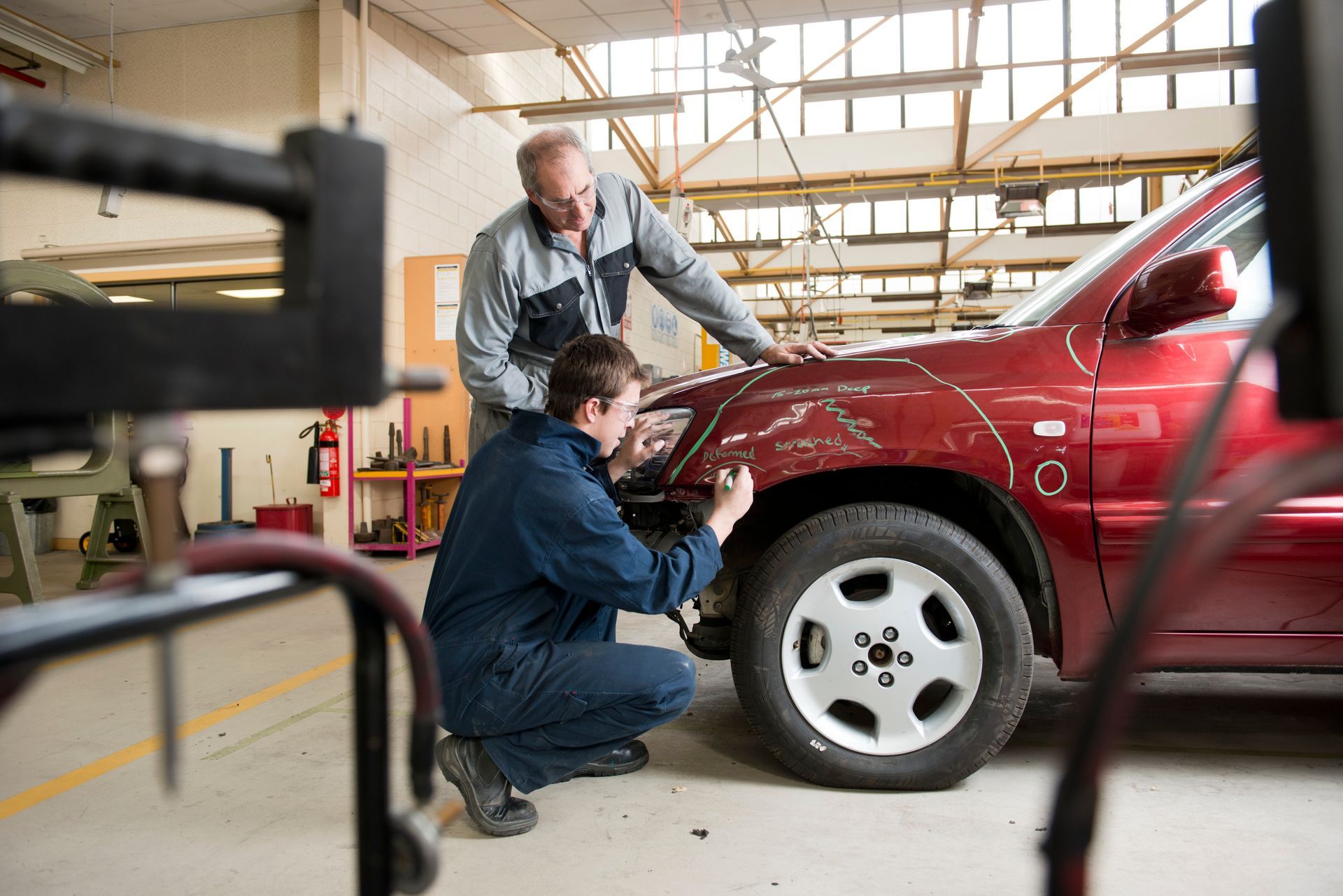
Addressing dents and scratches is a core responsibility of your local auto body shop, and they can help restore visual appeal while protecting against corrosion. Repair techniques can range from simple sanding and paint touch-ups to more elaborate panel reshaping. Paintless dent repair is a popular choice for removing minor dents without affecting the original paintwork. Highly trained technicians meticulously reshape metal back to its original form, preserving the car's coating. For scratches, color matching ensures that painted areas seamlessly blend with the surrounding bodywork.
Dent and scratch removal not only rejuvenates the car's appearance but also enhances its resale value. Shop technicians factor in the severity of scratches as even superficial marks can lower a vehicle's market value. After repairs are completed, attention is given to polishing and finishing, providing a smooth, flawless surface. This attention to detail extends to additional protective coatings that guard against future damage. Dent and scratch repair work aims to return the vehicle to a showroom-ready state, encapsulating both utility and beauty.
After an accident, restoring your vehicle is about more than appearance. A professional
auto body shop ensures structural integrity, proper alignment, and fully functioning safety systems so you can drive with confidence. Quality repairs help prevent hidden issues that could compromise performance, handling, and passenger protection. Choosing experienced technicians and trusted repair methods can make a lasting difference in your vehicle's safety and reliability. If your car has been in a collision, contact Central Collision Repair today to schedule an inspection and get your vehicle back on the road safely.
Share On: