
From Assessment to Detailing: Inside the Collision Repair Journey
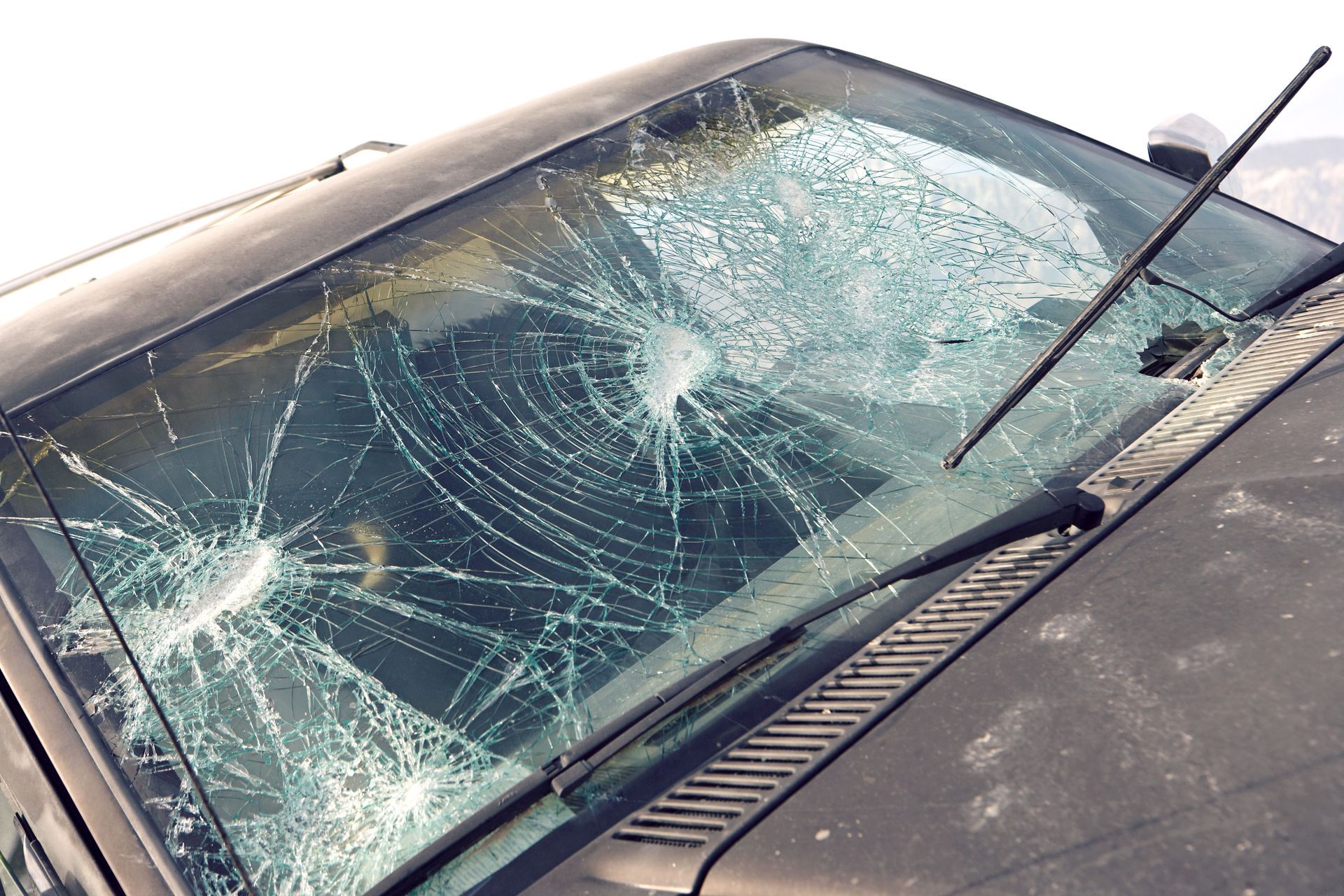
Getting into an accident creates a stressful situation, but understanding the collision repair process can make everything feel more manageable. Collision repair follows a structured sequence of steps that restore your vehicle’s structural integrity, appearance, and safety. According to Repairer Driven News, the average car in need of repairs is approximately six and a half years old. This makes accurate assessment and proper repair especially important for maintaining long-term performance. By knowing what to expect, you can feel more confident and prepared when your vehicle requires professional attention.
Initial Assessment and Comprehensive Damage Evaluation
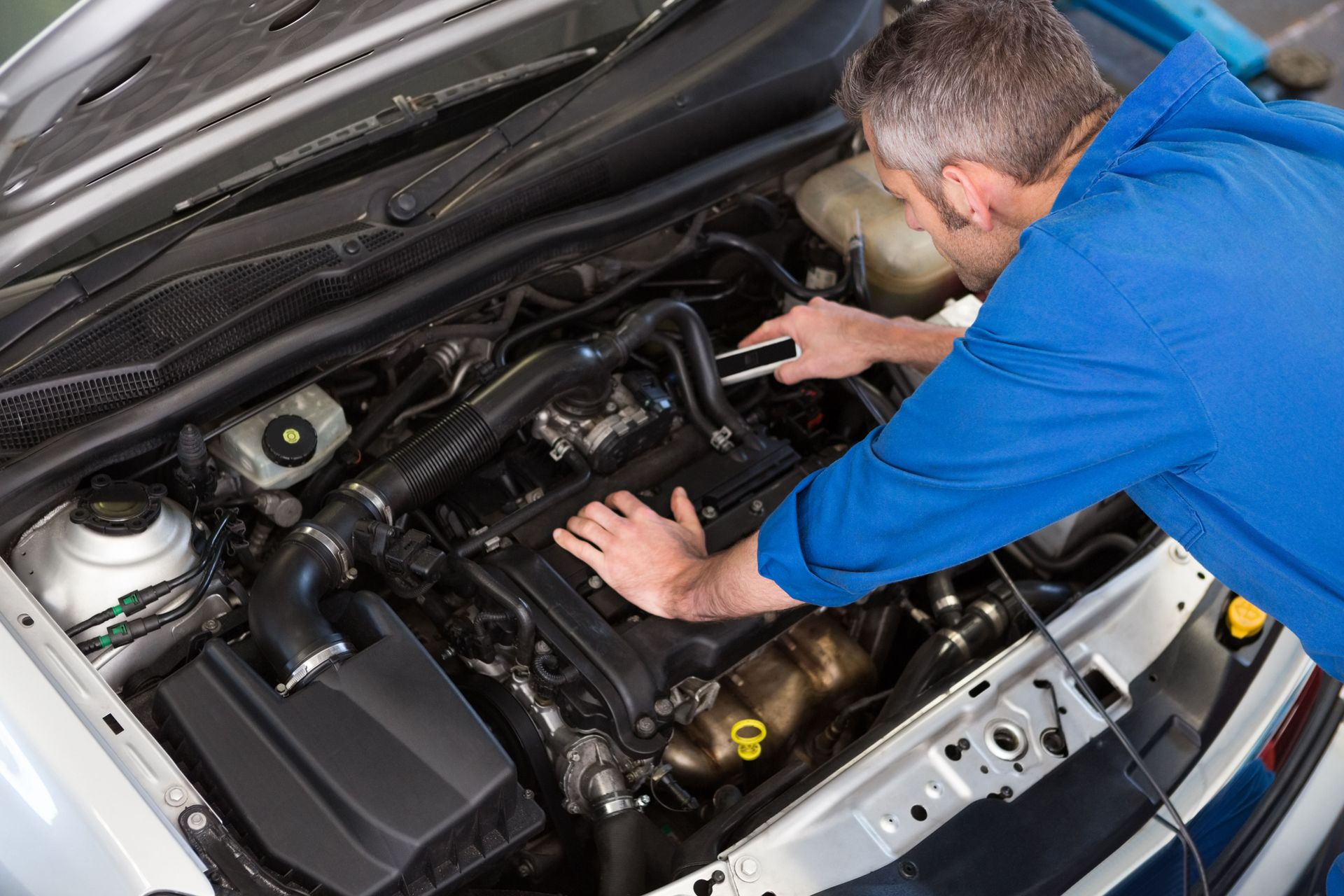
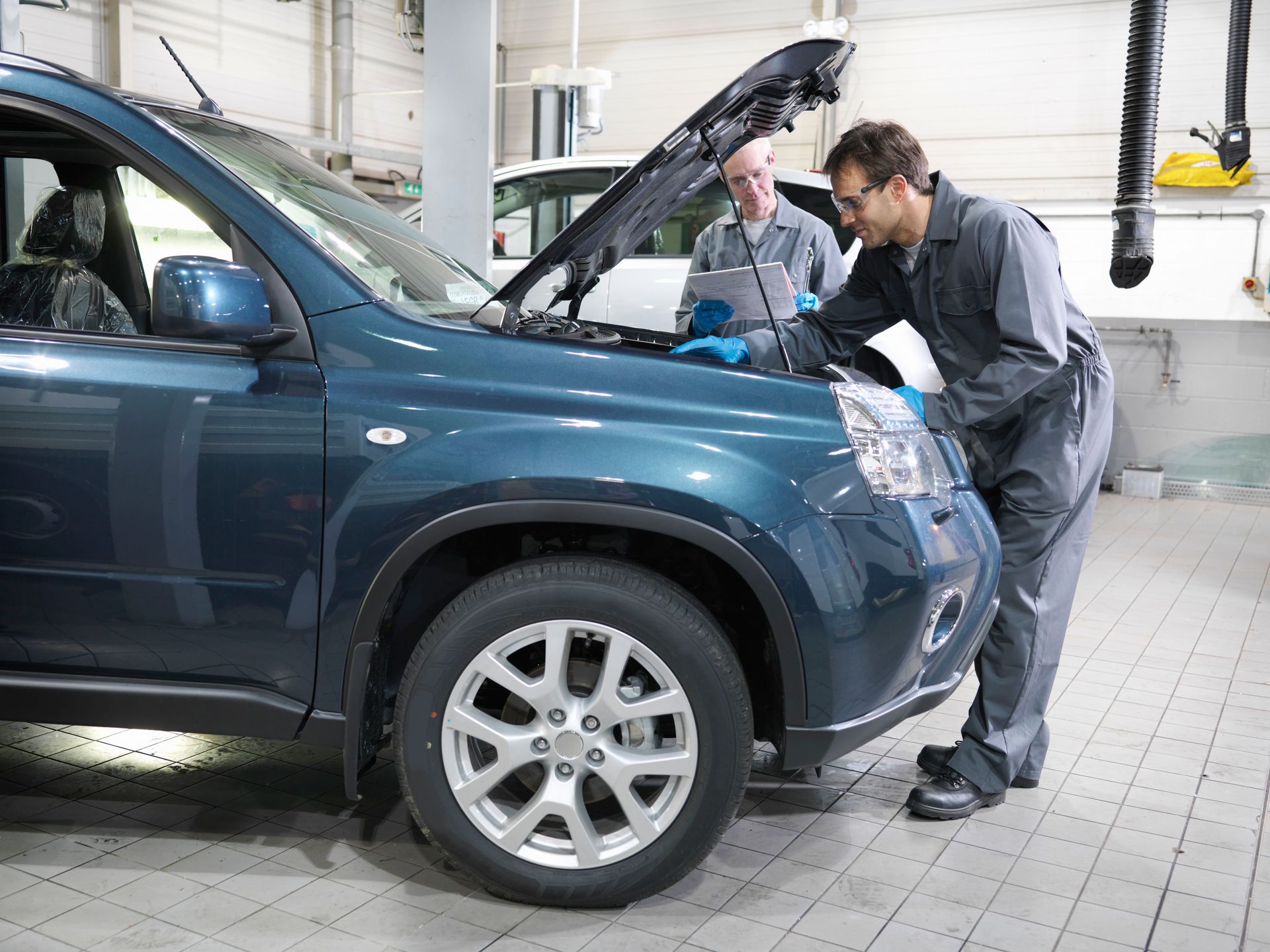
The collision repair process begins with a thorough initial assessment. Once your vehicle arrives at the repair facility, technicians conduct a detailed inspection to identify both visible and hidden damage. Using advanced diagnostic tools, they create a clear and accurate estimate outlining necessary repairs. This transparent evaluation helps you understand the scope of work and prepares you for the steps ahead. Establishing a dependable estimate early on ensures the remainder of the collision repair process moves forward smoothly and with minimal surprises.
Disassembly, Structural Restoration, and Component Repair
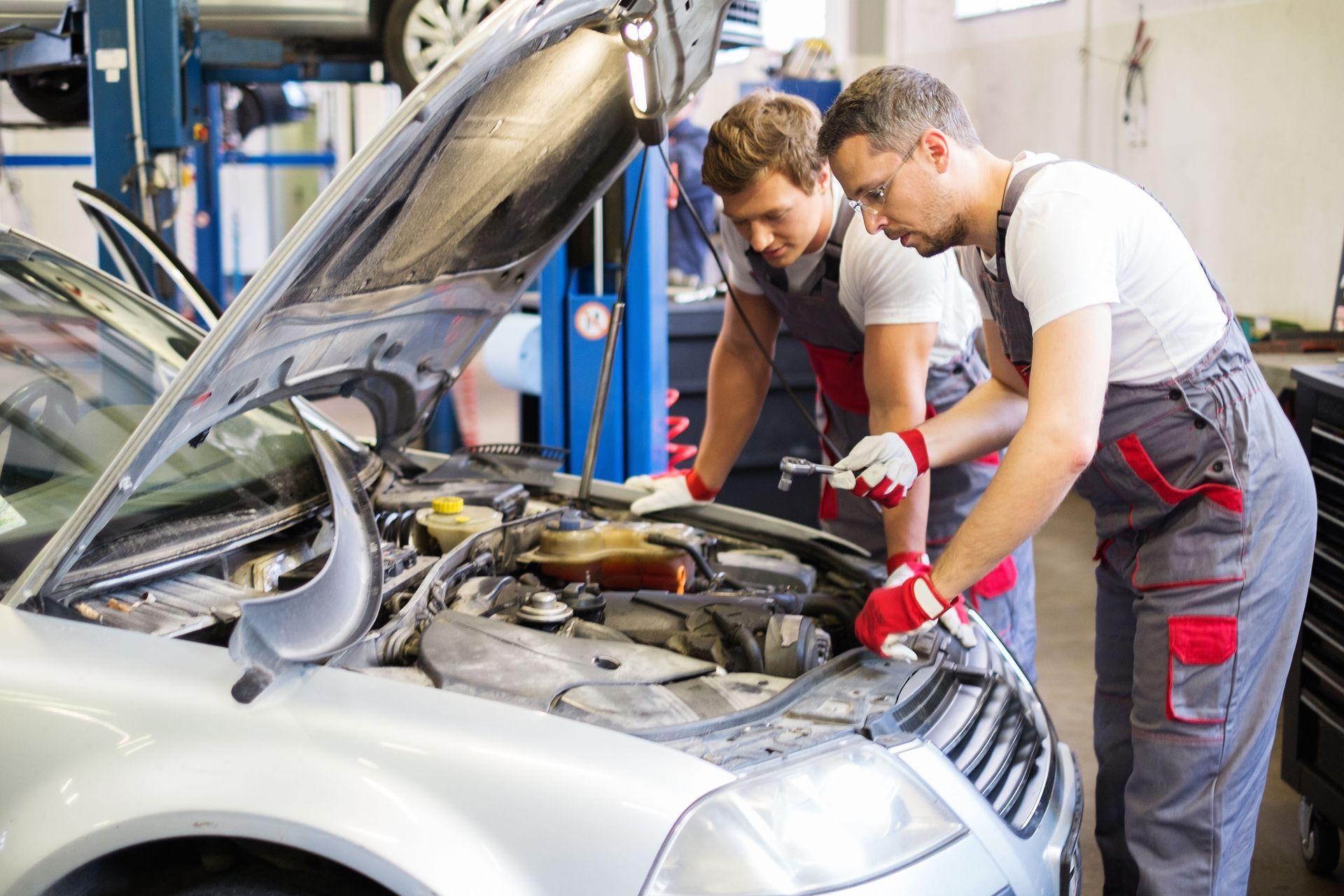
After the estimate is approved, technicians begin the physical repair phase. They remove affected parts of the vehicle to gain proper access to internal areas where additional damage may exist. Structural repairs, mechanical adjustments, and component replacements are performed using industry guidelines that align with manufacturer specifications. Whether the task involves restoring the frame, replacing panels, or repairing mechanical systems, each step is carried out with focus and precision. This phase plays a vital role in returning your vehicle to a safe and reliable condition through skilled and carefully managed collision repair work.
Quality Inspection, Refinishing, and Final Detailing
The final stage prioritizes quality and presentation. Once repairs are complete, technicians perform a comprehensive inspection to verify that the work meets safety expectations and is consistent with the original estimate. If any imperfections remain, they are corrected before refinishing begins. Painting, polishing, and full detailing restore the car’s appearance and create a clean, like-new finish. This final step ensures your vehicle is both visually appealing and ready for the road, marking the successful completion of the collision repair process.
Understanding each stage of collision repair helps reduce stress, improve communication with your repair shop, and prepare you to make informed decisions about your vehicle. If you are facing repair needs, reach out to Central Collision Repair today to get your car safely back on the road.
Share On: