
Tips for Preparing Your Car for Collision Repair
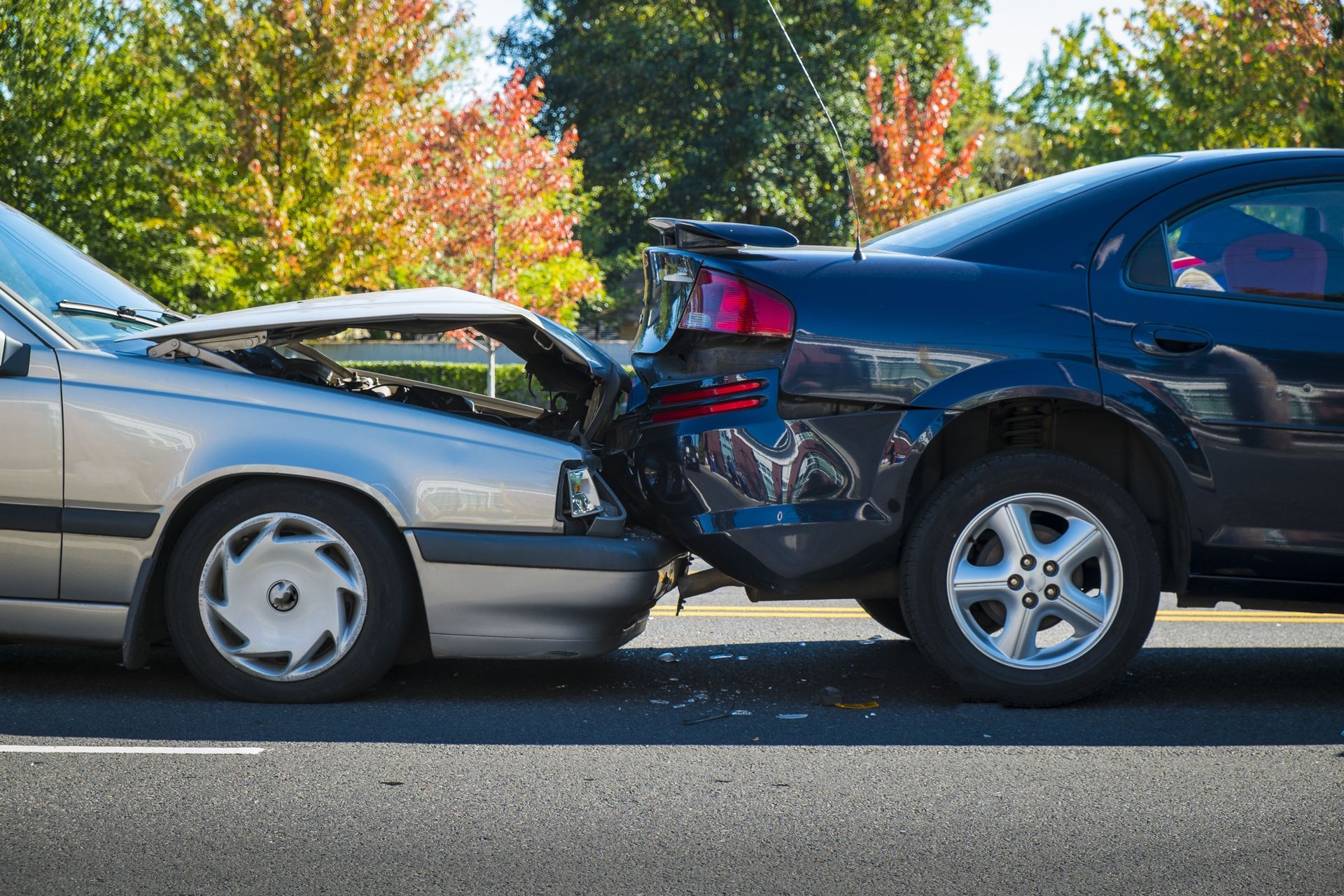
Being involved in an accident can be stressful, even when the damage appears minor. After making sure everyone is safe and the immediate details are handled, the next step is preparing your vehicle for professional repairs. A little organization before dropping off your car can make the process smoother, reduce confusion, and help the repair team begin work with the information they need. Taking time to prepare can also help you feel more in control during what is often an unexpected and frustrating situation.
Preparing for collision repair involves more than simply handing over the keys. You may need to gather documents, remove personal items, speak with your insurance company, and understand what to expect during the repair timeline. By taking a few practical steps ahead of time, you can feel more confident and make the experience less overwhelming from start to finish. This preparation can also help prevent delays and allow the repair process to move forward as efficiently as possible.
Gathering Important Vehicle Documents
Before bringing your car to the shop, collect any documents related to the accident and your vehicle. This may include your insurance information, claim number, police report, registration, photos of the damage, and any written estimate you have already received. Having these items ready can help the repair team understand the situation more clearly. It can also reduce delays if your insurance company needs specific details.
Documentation is especially helpful when multiple parties are involved in the accident. Clear records can support the repair process and help prevent misunderstandings about the type or extent of damage. If you have maintenance records, those may also be useful if the shop needs background information about your vehicle. The more organized you are, the easier it is to move forward with collision repair efficiently.
Removing Personal Belongings
Before dropping off your vehicle, take time to remove personal items from the cabin, trunk, glove compartment, and storage areas. This includes electronics, chargers, sunglasses, paperwork, garage openers, child seats, tools, and anything valuable or fragile. Repair work may require technicians to access different parts of the vehicle, and personal items can get in the way. Removing them protects your belongings and gives the team more room to work.
It is also wise to check hidden compartments and under-seat areas. Many people forget items that have been stored in their vehicles for months. If your vehicle needs bodywork, paintwork, or structural repairs, it may be moved around the facility several times. Clearing it out before service helps prevent misplaced items and keeps the process more organized.
Taking Photos Before Repairs
Photos are useful for documenting the vehicle’s condition before repairs begin. Take clear pictures of the damaged areas from several angles, including close-up and wider shots. It is also helpful to photograph unaffected areas of the car for comparison. These images can serve as a personal record and may be helpful when communicating with your insurance company.
Good photos can also help you track the repair journey. While the shop will usually document damage during its own inspection, your photos give you an additional reference point. Make sure the images are taken in good lighting and saved somewhere secure. This simple step can provide peace of mind before the collision repair process begins.
Communicating With Your Insurance Company
Insurance communication is an important part of preparing for repairs. Contact your provider as soon as possible after the accident and ask what information they need from you. They may explain your deductible, rental car coverage, claim process, and approved repair procedures. Understanding these details ahead of time can help you avoid surprises later.
You should also ask whether you have the freedom to choose your repair facility. Many drivers do not realize they can often select the shop they trust, even if the insurance company provides recommendations. According to WifiTalents, more than 32,400 collision repair facilities are currently operating across the United States, based on industry data compiled in early 2026 from 2024 to 2025 sources. With so many options available, choosing a reliable repair provider matters.
Understanding the Repair Estimate
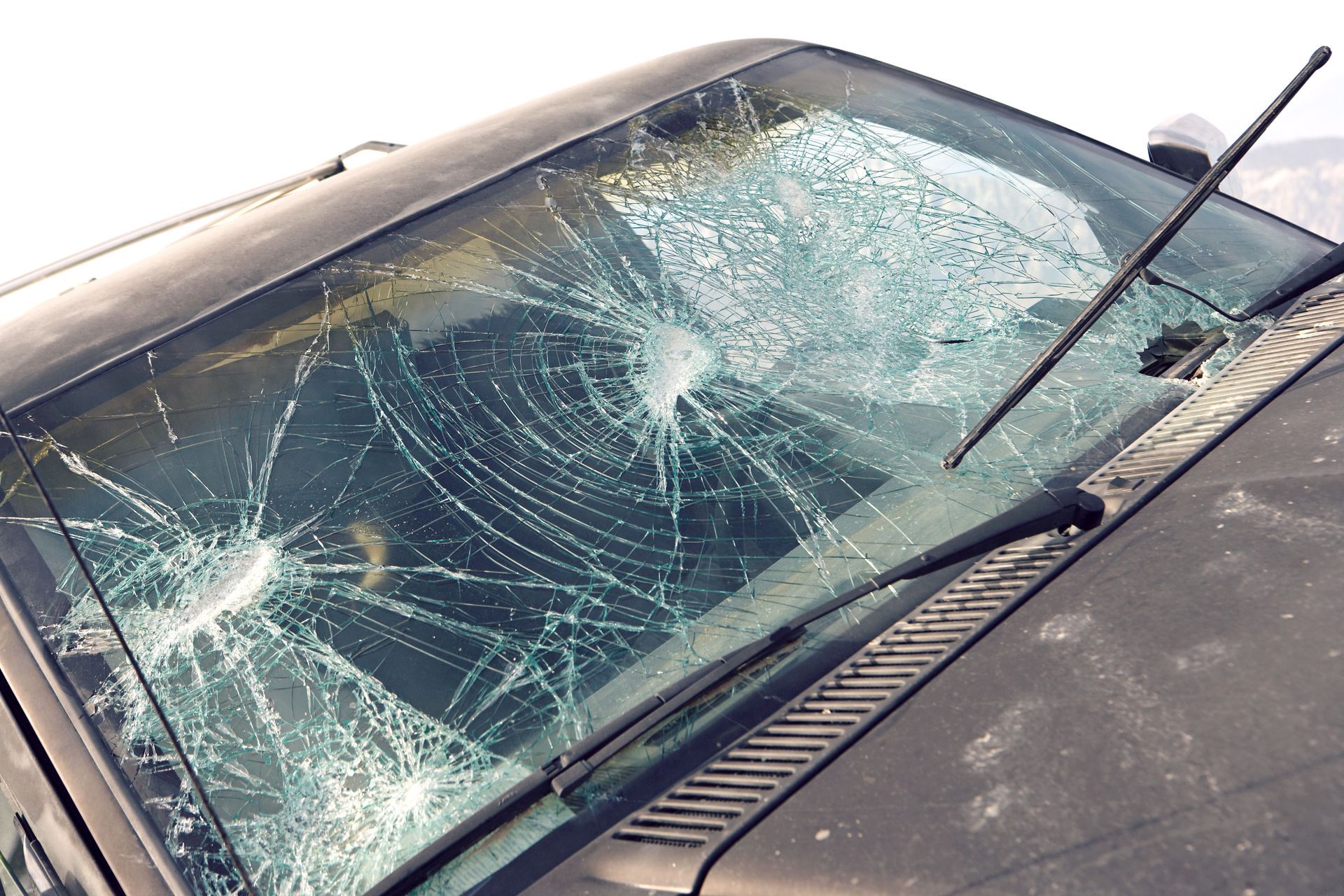
An estimate gives you an overview of the visible damage, expected parts, labor, and repair costs. However, it is important to understand that an initial estimate may not include hidden damage. Once technicians begin disassembly, they may find additional issues behind panels, bumpers, or structural components. This is common after accidents because not all damage is visible from the outside.
If additional damage is found, the shop may need to update the estimate and communicate with your insurance company. This can affect the timeline and final repair plan. Asking questions about the estimate can help you understand what is included and what may change. Clear communication makes collision repair easier to follow and helps you feel more informed throughout the process.
Preparing for Transportation Needs
Your vehicle may be unavailable for several days or longer, depending on the extent of the damage, parts availability, and insurance approvals. Before dropping it off, plan how you will get around while repairs are being completed. Check whether your insurance policy includes rental car coverage. If it does, ask how the rental process works and whether there are limits on daily costs or total coverage.
If you do not have rental coverage, consider arranging rides, public transportation, or temporary car sharing. Planning ahead prevents last-minute stress and helps you maintain your routine. It is also helpful to ask the repair shop for a general timeline, while understanding that delays can happen. Parts ordering, supplemental approvals, and paint curing can all affect the schedule.
Asking the Right Questions
Before authorizing repairs, ask the shop about its process, warranties, parts options, and expected communication schedule. You may want to know whether original equipment manufacturer parts or aftermarket parts will be used. You can also ask how often you will receive updates and who to contact with questions. These conversations help set expectations before work begins.
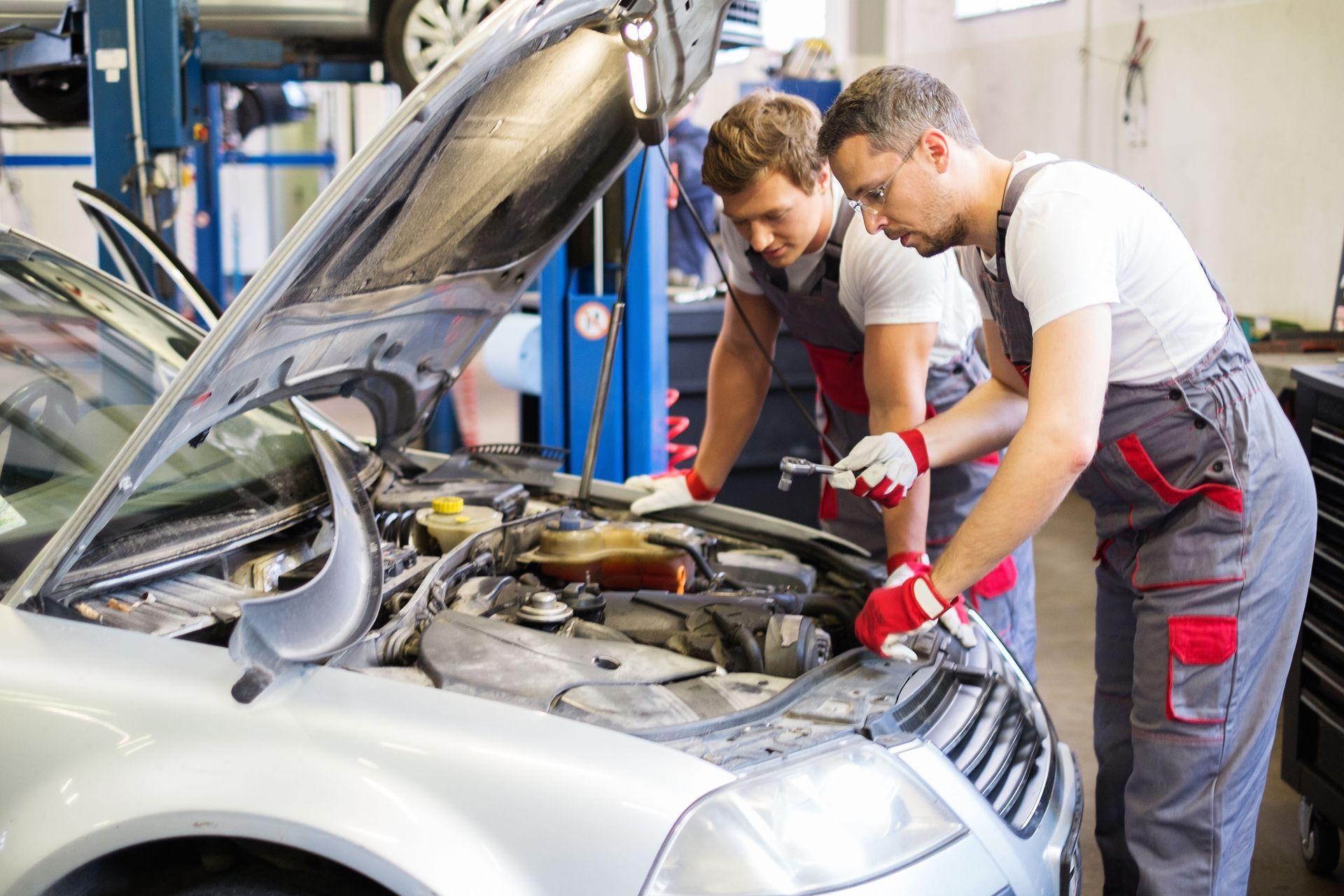
It is also helpful to ask what happens after the repairs are completed. Many shops perform quality checks, test drives, paint inspections, and final cleaning before returning the vehicle. Understanding these steps can help you know what to look for when picking up your car. A professional approach to collision repair should include both technical accuracy and clear customer communication.
Checking the Vehicle at Pickup
When repairs are finished, take time to inspect the vehicle before leaving the facility. Look at the repaired areas in good lighting and compare them with the rest of the car. Check panel alignment, paint match, trim placement, lights, doors, windows, and any features affected by the accident. If something does not look right, ask about it before accepting the vehicle.
You should also review the final paperwork. Make sure you understand the repairs performed, parts used, warranty details, and any payment responsibilities. Keep copies of the final invoice and repair records for future reference. These documents may be useful if you sell the vehicle later or need warranty support.
Preparing your car for repair after an accident can make the entire experience more manageable. By gathering documents, removing belongings, taking photos, communicating with insurance, reviewing the estimate, planning transportation, asking questions, and inspecting the finished work, you can stay organized and informed. A trusted repair team can guide you through the process and help restore your vehicle safely and professionally. For dependable service and expert help after an accident, contact Central Collision Repair.
Share On: