
Common Myths About Paintless Dent Repair Explained
Navigating the automotive reconditioning industry requires vehicle owners to distinguish between outdated structural overhaul techniques and innovative metal manipulation methods. When unexpected hailstorms or runaway shopping carts damage a vehicle's exterior panels, separating factual restoration capabilities from persistent neighborhood rumors becomes paramount. Many drivers mistakenly believe that any minor blemish demands extensive sanding, body filler, and conventional repainting at a traditional collision shop. Specialized paintless dent repair offers a highly efficient, non-invasive alternative that preserves the original factory finish of an automobile. Dissecting prevalent industry misconceptions allows consumers to make informed choices, saving significant time and money on exterior restoration.
Debunking Universal Damage Limitations
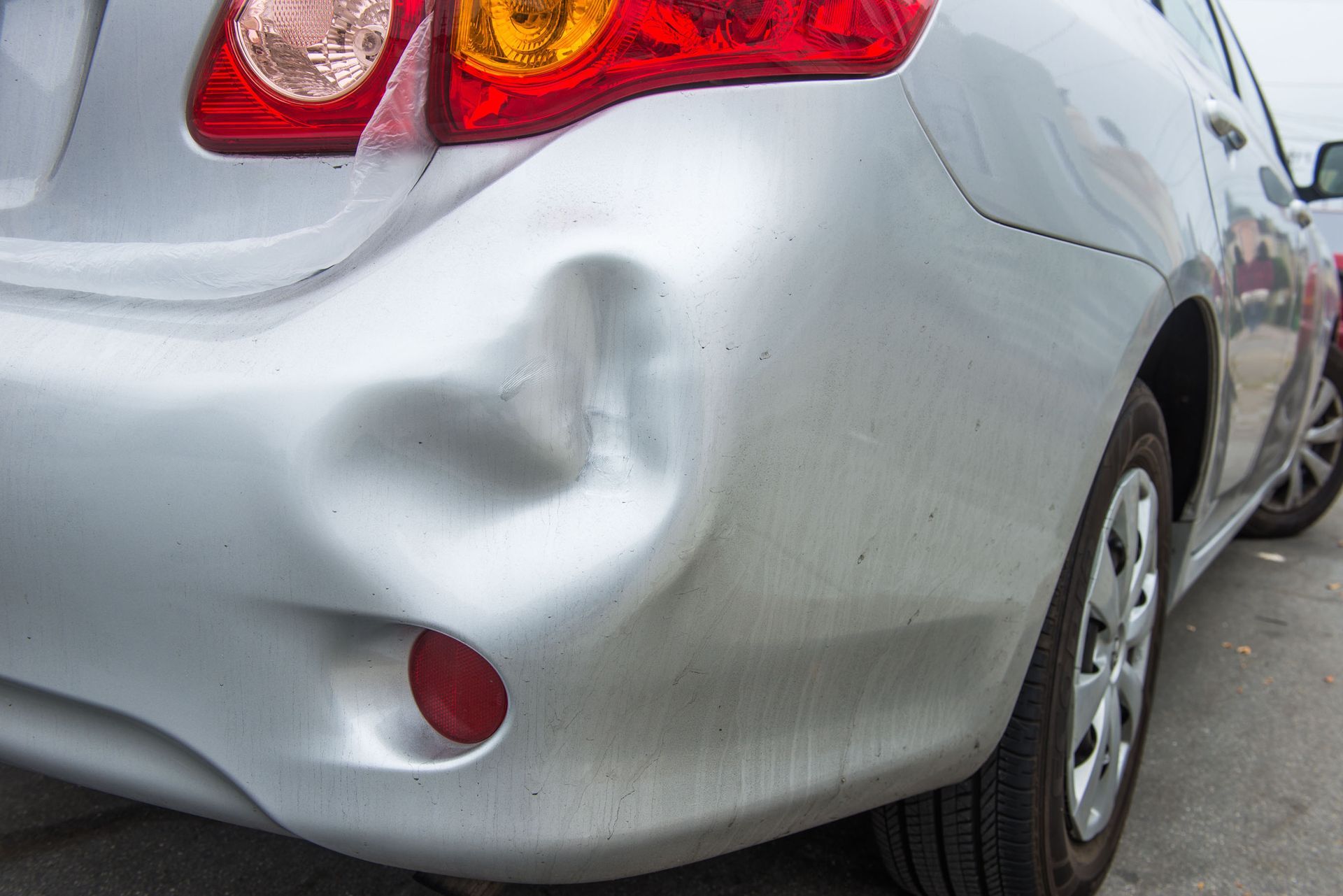
Many motorists mistakenly assume that specialized non-invasive reshaping techniques only work effectively on tiny dings caused by loose highway gravel. In reality, highly trained technicians routinely manipulate large, complex creases spanning across entire door panels or contoured vehicle body lines. As long as the outer clear coat remains completely intact without deep fractures, the metal can usually be massaged back to its original state. Advancements in specialized lighting systems and high-tensile leverage tools allow technicians to address substantial damage that previously required complete panel replacement. Expanding your understanding of modern metal memory variables reveals that massive blemishes are frequently candidates for advanced reconditioning.
Analyzing Industry Structural Segregation
Understanding where to take a damaged vehicle requires looking closely at the current landscape of the automotive service sector. According to WifiTalents, consolidators and multi-shop operators (MSOs) control approximately 30% of the U.S. collision repair market by share of locations, while independent body shops represent nearly 65% of all repair locations. Within this vast network of service providers, specialized paintless dent repair serves as a vital subcontracted skill used by both large corporate centers and small independent operators. Recognizing this structural reality helps consumers realize that selecting an independent specialist directly ensures focused craftsmanship, rather than sending the vehicle through a massive assembly line process.
Investigating Factory Paint Preservation
A frequent misconception among vehicle owners is that pushing deformed metal back into alignment will inevitably cause the exterior finish to crack or flake away. Modern automotive manufacturers employ highly flexible, resilient elastomeric polyurethane paints designed to withstand significant flexing without bonding failures. Specialized paintless dent repair processes utilize slow, microscopic pressure increments from behind the panel, allowing the elastic coating to move harmoniously with the reshaping metal. This careful execution ensures that the factory's corrosion protection layers remain completely undisturbed throughout the reshaping project. Preserving this original outer layer safeguards the vehicle from future rust formation and maintains maximum resale value.
Evaluating Turnaround Time Variables
People frequently assume that removing minor blemishes from an aluminum or steel door requires leaving a vehicle at a shop for several consecutive business days. Traditional body shop methods indeed involve prolonged drying times for chemical fillers, primers, base coats, and protective clear outer layers. However, choosing paintless dent repair eliminates these chemical application steps, allowing technicians to focus purely on manual precision tools. Most standard door dings and hail marks can be successfully massaged out within a few hours rather than multiple days. This rapid turnaround minimizes vehicle owner disruption, bypassing the need for expensive rental cars or prolonged carpooling arrangements.
Exploring Insurance Claims Processes
A widespread myth regarding minor exterior restoration suggests that insurance corporations will refuse to cover non-traditional, non-painting body work methods. Insurance adjusters actively prefer non-invasive metal manipulation because it reduces overall claim payouts while delivering flawless structural results for the policyholder. Most comprehensive insurance policies fully cover paintless dent repair, especially following widespread regional catastrophes like major seasonal hailstorms. Dedicated technicians routinely interface directly with major insurance corporations, utilizing standardized digital estimating software to expedite authorization approvals seamlessly. Utilizing insurance benefits for these modern procedures keeps your personal out-of-pocket expenses capped at your standard policy deductible.
Clarifying DIY Kit Misconceptions
The internet frequently promotes cheap, consumer-grade suction cups and glue pullers, tricking drivers into believing that metal manipulation is an effortless weekend hobby. Attempting to pop out a crease without professional training almost always stretches the metal beyond its elastic limit, causing permanent structural high spots. Professional paintless dent repair demands years of dedicated mentorship, precise hand-eye coordination, and an intimate understanding of varying metallurgical properties. Certified specialists use specialized reflection boards to read the light distorting across a blemish, guiding their tools with millimeter precision. Relying on amateur retail kits usually results in worse damage that requires expensive traditional body shop intervention.
Reviewing Long-Term Durability Concerns
Skeptics occasionally worry that a massaged metal panel will eventually lose its shape and pop back into a dented configuration over time. This concern ignores the physical principles of metal memory, which dictate that structural panels permanently retain the shape established during final chemical manufacturing. Once technicians relieve the internal stress lines of a ding, the molecules stabilize completely in their newly restored flat configuration. A properly executed paintless dent repair is entirely permanent, meaning the blemish will never reappear for the remaining operational lifespan of the vehicle. The restored zone remains just as structurally sound and durable as the surrounding undamaged factory metal.
Comparing Overall Financial Layouts
Drivers often put off fixing minor cosmetic blemishes because they assume that any form of body restoration will cost thousands of dollars. Because traditional techniques require expensive paint booths, safety equipment, toxic chemicals, and extensive manual labor hours, their baseline pricing remains high. In contrast, paintless dent repairs require zero consumable chemicals, reflecting a significantly lower overhead cost structure that benefits the consumer directly. Choosing this streamlined method typically costs a fraction of conventional body shop estimates while delivering an identical or superior cosmetic outcome. This affordability makes it highly practical for drivers looking to maintain pristine vehicle aesthetics without breaking their personal budgets.
Confirming Vehicle History Report Benefits
Car buyers frequently check digital history databases to ensure a used vehicle has never undergone major structural accident reconstruction. Traditional body shop repairs involving painting and panel replacement are systematically reported to tracking databases, lowering the vehicle's clean market valuation. Because paintless dent repairs do not involve structural cutting or body filler application, it rarely triggers negative history reports. This clean record ensures that your vehicle retains its pristine pre-accident market value when you decide to trade it in. Avoiding database red flags protects your long-term automotive investment, proving that non-invasive methods are financially superior choices.
Understanding Modern Material Adaptations
Some automotive enthusiasts believe that modern high-strength steels and lightweight aluminum panels are too rigid to be restored without heat or paint. While aluminum does possess less structural elasticity than traditional steel, experienced technicians simply adjust their leverage strategies and utilize specialized, sharp-tipped tools. Understanding the distinct metallurgical differences allows certified specialists to safely manipulate diverse metals without causing stress fractures or micro-tearing in the substrate. Modern paintless dent repairs have evolved alongside contemporary automotive engineering, ensuring compatibility with advanced electric vehicles and lightweight sports car architectures. Trusting an expert ensures that advanced vehicle materials are handled according to modern engineering standards.
Embracing advanced non-invasive metal manipulation represents the highest standard of efficiency, financial intelligence, and aesthetic preservation for contemporary vehicle owners. Drivers must reject outdated assumptions regarding body work, recognizing that modern paintless dent repairs solve complex cosmetic challenges without relying on toxic chemical layers. By debunking myths surrounding size limitations, factory finish cracking, insurance acceptance, and durability, you gain complete confidence in this superior service. Partnering with certified independent specialists ensures your vehicle receives meticulous attention, keeping your car looking flawless through every season. Investing in professional reconditioning guarantees your automobile remains visually stunning, structurally authentic, and financially optimized for the long haul. Are you seeking professional paintless dent repair in the Richardson, TX area? Look no further than the experts at Central Collision Repair! Call today to request an estimate or schedule your next service.
Share On: